Daily Diversion #126: Sometimes I Get to Do Awesome Things!

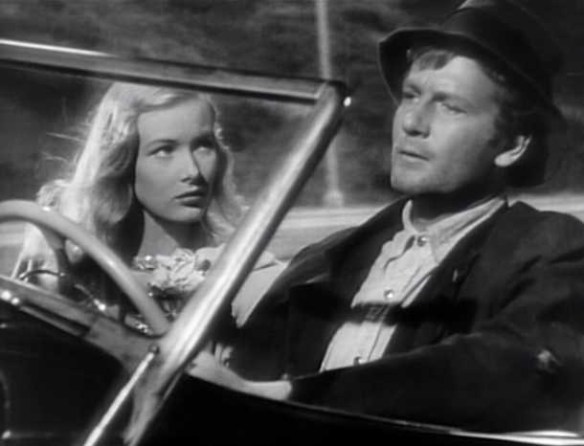
One of my writing specialties is silent cinema. It’s actually one of the great loves of my life, and so is Buster Keaton. Last night, The Chef and I had the rare treat of seeing Steamboat Bill, Jr. (1928) on the big screen. The show was held in the ballroom of the stunning Cincinnati Music Hall. Clark Wilson provided musical accompaniment on the Hall’s restored “The  Mighty Wurlitzer”. This is my favourite Keaton production. I have watched it at least 20 times, but always in the privacy of my home. The joy of experiencing a silent movie whilst surrounded by hundreds of spontaneously laughing people seeing it for the first time is energetic and awe-inspiring. Buster, who made his film debut 96 years ago, would certainly be proud and humbled. It was a wonderful evening to be a cinema buff and writer.

This slideshow requires JavaScript.

“The first thing I did in the studio was to want to tear that camera to pieces. I had to know how that film got into the cutting room, what you did to it in there, how you projected it, how you finally got the picture together, how you made things match. The technical part of pictures is what interested me. Material was the last thing in the world I thought about. You only had to turn me loose on the set and I’d have material in two minutes, because I’d been doing it all my life.”-Buster Keaton
Daily Diversion #109: So I Walked into a Bookstore…

…and walked out with only 3 books!

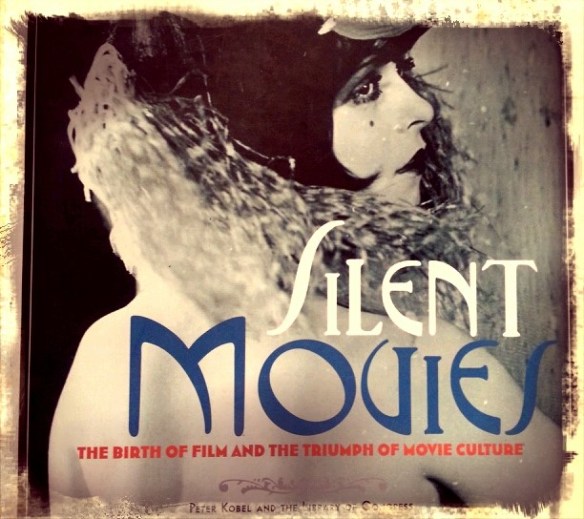
  1. Silent Movies The Birth of Film and the Triumph of Movie Culture by Peter Kobel and the Library of Congress
  2. Gene Kelly A Life of Dance and Dreams by Alvin Yudkoff
  3. Lonelyhearts The Screwball World of Nathanael West and Eileen McKenney by Marion Meade
Silent Movies

Silent Movies

I’ve wanted this book since it first hit shelves 5 years ago. Continue reading

Inspiration Board-9th March 2013

Today my muses are spread so far across the map that there really is no map. Yay for eclectic inspiration. Enjoy!

I cannot get enough of John Grant’s new song, Pale Green Ghosts. It is the soundtrack for my packed writing weekend.

Voices from the Grave #56: Louis Bromfield and Malabar Farm

This video is a bit different, as it does not feature the writer’s voice. It’s a documentary clip about Ohio native Louis Bromfield. He and my mom share a hometown (Mansfield). I actually lived in the area until we moved to Columbus when I was 9; several of my close family members still reside in this corner of Richland County. I grew up going to Malabar Farm, swooning equally over its Hollywood connection (Bogie and Bacall were married there) and Bromfield’s status as a major  writer (he won a Pulitzer Prize). I hope you’ll bear with me and watch the video in its entirety, as it perfectly captures this great Ohioan’s contributions to literature and film and, most importantly, the development of conservation and agriculture practices that helped save American farming.

A Year in Books/Day 226: The Decline of Sentiment

  • Title: The Decline of Sentiment American Film in the 1920s
  • Author: Lea Jacobs
  • Year Published: 2008 (University of California Press)
  • Year Purchased: 2011
  • Source: Half Price Books
  • About: I like film criticism that comes with a healthy side of broader cultural and intellectual analysis. It is, admittedly, how I approach the subject, and view the world in general. Before proceeding, know that this review comes with a Warning. Lea Jacobs’ writing is from the crumbling cracker school: dry and without any excess flavour. If you cannot reconcile yourself to the mere thought of reading 313 pages of humourless but acutely insightful commentary, or this review about it, then move on with your bad self. No, really. I won’t be offended. As long as you promise to come back for #227. We’re still cool, right? For the 3 of you left, where were we? Ah, yes. Her writing. If you’re passionate or curious about silent cinema, The Decline of Sentiment is worth your time. Your head will eventually fall into rhythm with her writing style, and by the end of the book you will have a more comprehensive view of the subject even if, like me, you have studied and written about it for years. Continue reading

A Year in Books/Day 223: Swanson on Swanson

  • Title: Swanson on Swanson
  • Author: Gloria Swanson
  • Year Published: 1980/This Edition: 1981 (Random House/Pocket Books)
  • Year Purchased: Mid-1990s
  • Source: Antique Barn, Ohio State Fair
  • About: “Life isn’t about finding yourself. Life is about creating yourself.”-George Bernard Shaw. Every Hollywood memoir should come with the preceding GBS quote as a disclaimer. That, or the generic perception is reality. Either will do. With that out of the way, we could get down to the important business of enjoying good Tinseltown autobiographies for what they are: damn fun entertainment. Underneath the ego and the stage-managed pathos, these one-person exercises in reputation preservation usually contain heaping amounts of self-deprecation, humor, and memorable industry anecdotes, with the self-subjects somehow, through a strange, magical process, coming across as down-to-earth and larger than life; normal and privileged; lucky and talented; flawed and beautiful. Continue reading

Why I’m Blowing Off Writing Tonight to Watch Old Movies and Trim the Tree

The essay I wrote yesterday in honor of my friend Frank really took a lot out of me. I’m drained. I’ve decided that I deserve a break from wading through my creativity. Tonight’s entertainment?

Top Hat Poster (1935)

Top Hat poster (1935)

Sullivan's Travels (1941)

Sullivan’s Travels (1941)


A Year in Books/Day 218: Max Factor’s Hollywood Glamour

  • Title: Max Factor’s Hollywood Glamour
  • Author: Fred E. Basten (with Robert Salvatore & Paul A. Kaufman)
  • Year Published: 1995 (W. Quay Hays)
  • Year Purchased: 2003/2004
  • Source: Barnes & Noble clearance rack
  • About: Max Factor isn’t just a name on wands of mascara and tubes of lipstick found in the beauty aisle at your local grocery store. The Max Factor cosmetics line wasn’t invented and branded by impersonal, slick-suited admen in a glossy boardroom. He was a pioneer who not only shaped and defined the aesthetics of classic cinema (from glamour girls to tough guys and everything in between) but he brought make-up to the masses in a way that was, and is, distinctly modern. His genius for invention and marketing, as well as his humble beginnings in Central Europe, make his story a neat parallel to those of the movie moguls who were his contemporaries. Continue reading