
Leo Tolstoy Quote
Leo Tolstoy Quote
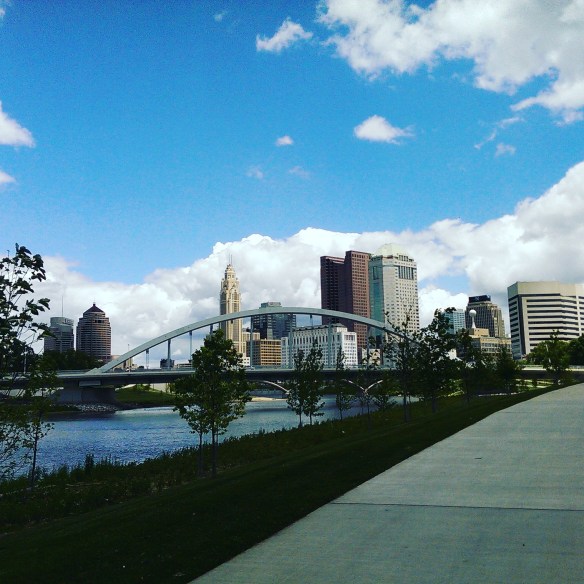
Riverside path
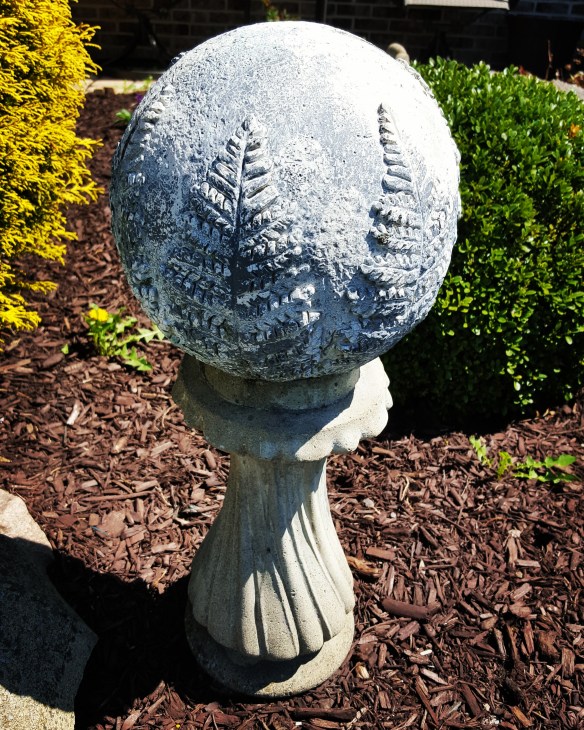
Grandma’s Garden Orb
The calendar and the weather agree that it is spring (at least for today). Let’s celebrate with this pretty painting and a relevant quote:
“It is spring again. The earth is like a child that knows poems by heart.”-Rainer Maria Rilke

Springtime by John Henry Twachtman, circa 1884
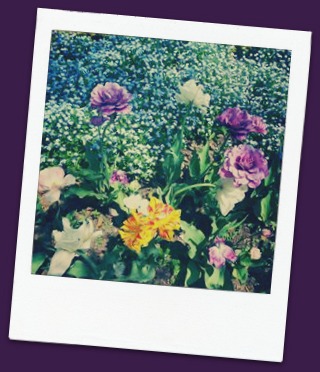
Flowers at Kingwood Center Gardens. Mansfield, Ohio.

View of Arles with Irises in the Foreground by Vincent van Gogh, May 1888
“No winter lasts forever; no spring skips its turn.”-Hal Borland
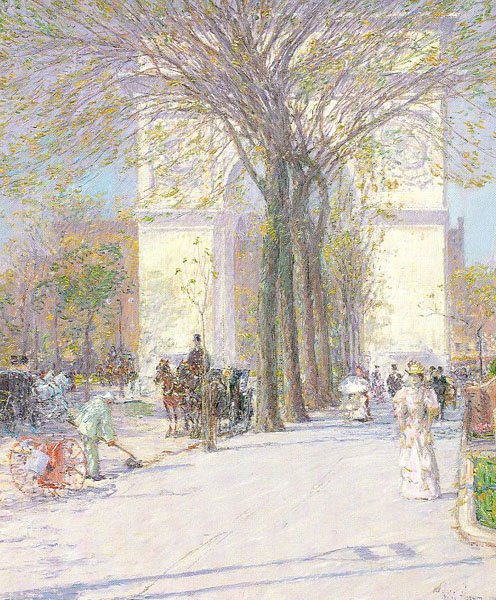
Washington Arch, Spring by Childe Hassam, circa 1893
The winter-encrusted inhabitants of this drafty house are agog at the most gladsome of all tidings: spring is here! It is here! It is here! Glorious. Insistent. Blustery. She’s a grand dame, is Spring. I should be writing. I could be cleaning. I would, I would…but it is 77 degrees outside! The day that a season elbows her way back into our lives is a cause for celebration, not concentration.

I’m as happy as Clara Bow with a beach ball!
This is where I put words about how the contented chirping of birds, barking of dogs, and mewing of small children have all joined to create the newest soundtrack sensation. Ice cream trucks, green shoots of plants I am constitutionally unable to recognize but overjoyed to see, and motorcycle engines belong here, too. Tank tops, sandals, and Margaritas for the win!
The front porch boards are warm beneath my feet.
Place du Theatre-Francais, Spring by Camille Pissarro (1898)

Place du Theatre-Francais, Spring by Camille Pissarro (1898)
“No winter lasts forever; no spring skips its turn.”-Hal Borland
Whenever I hike through the 733 acres of our local cemetery, I have to stifle the compulsion to declaim poetry to an audience of tombstones, trees, and birds. Instead, I turn the words inward, or whisper them under my breath. The shadow-poets I prefer change with the seasons. If winter’s sharp, cold, stinging reach is perfect for Sylvia Plath, then the gloriously still warmth of spring is the natural home for the distilled, profound and subtle Emily Dickinson.

Two forlorn graves and clumps of wildflowers are the perfect audience for Emily’s poems.
*“Nature” is what we see” is the opening line from an Emily Dickinson poem.
 A Small Press Life: Books. Art. Writing. Life. Tea.