Type So Hard You Bruise The Screen [courtesy HuffPost Books]
What do you think? Do you have anything to add?
Type So Hard You Bruise The Screen [courtesy HuffPost Books]
What do you think? Do you have anything to add?
A slideshow of Vonnegut photographs in honor of the anniversary of his passing.
RetroIndy: Kurt Vonnegut [courtesy of INDYSTAR.COM]

The Bookman, April 1896. James Montgomery Flagg.
Whenever I hike through the 733 acres of our local cemetery, I have to stifle the compulsion to declaim poetry to an audience of tombstones, trees, and birds. Instead, I turn the words inward, or whisper them under my breath. The shadow-poets I prefer change with the seasons. If winter’s sharp, cold, stinging reach is perfect for Sylvia Plath, then the gloriously still warmth of spring is the natural home for the distilled, profound and subtle Emily Dickinson.

Two forlorn graves and clumps of wildflowers are the perfect audience for Emily’s poems.
*“Nature” is what we see” is the opening line from an Emily Dickinson poem.
Algernon Charles Swinburne died on 10 April 1909. In addition to being ever-ready for a good close-up…
…he was quite an accomplished and well-rounded writer.
QUOTE: “For winter’s rains and ruins are over,/And all the season of snows and sins;/The days dividing lover and lover,/The light that loses, the night that wins.”
SOME WORKS: Mary Stuart; The Sisters; Atalanta in Calydon; Songs of Two Nations; A Century of Roundels; A Study of Shakespeare.
A KEEPSAKE:

A Swinburne Poetry Selection at Professor Booknoodle. $25.00
A small chart [courtesy Rena Maguire]
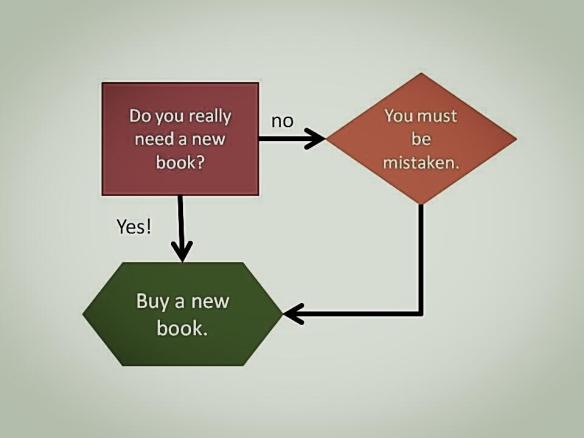
Book Chart Rena Maguire
“Anxiety is the handmaiden of creativity.”-T.S. Eliot
It’s a true story. I know how it ends, but I can’t move forward. The last twenty pages are as weighty as a boulder, as immovable as a broken vault door. My heart refuses to face the acrid, bloody truth, to acknowledge the twisted metal and shattered dreams. His unwritten novels poke through the years like torpid headlights in a fog. Am I a horrid person for lamenting the tragedy of lost words?
Gertrude Stein reading If I Told Him a Completed Portrait of Picasso
Remind me to breathe while you’re gone.
 A Small Press Life: Books. Art. Writing. Life. Tea.