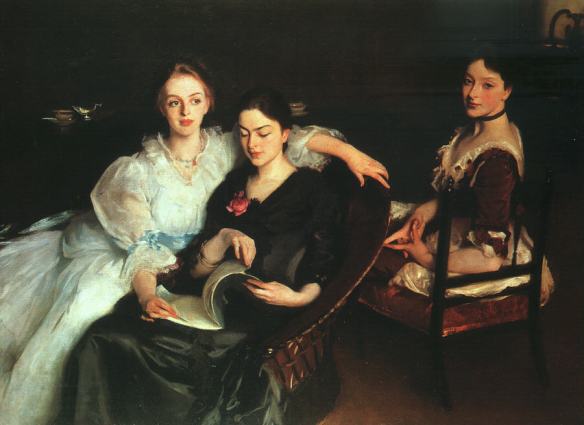
The Misses Vickers by John Singer Sargent, 1884

The Misses Vickers by John Singer Sargent, 1884

The Bookworm’s Table by Claude Raguet Hirst, circa 1890. Brooklyn Museum.
Fun fact: Claude Raguet Hirst, an artist from Cincinnati, was actually a woman (real name: Claudine).
She died on this day in 1762:

Portrait of Lady Mary Wortley Montagu by Jonathan Richardson the Younger
The Model and the Mannequin (1873) by Giovanni Boldini* has nothing to do with dead writers, reading, writing, books, film, or any of the other usual suspects found on A Small Press Life. I just dig the painting. It’s one of those images that I’d love to jump right into; life would be interesting on that side of the canvas. Look at the colours! Look at the patterns! Look at the textures! The mannequin would have to go (burn it! burn it with fire!), but the model can stay. She’d be a fun, if unpredictable, roomie.
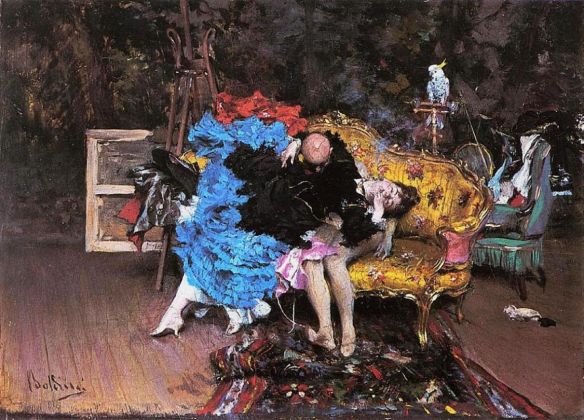
The Model and the Mannequin by Giovanni Boldini, 1873
*Although Giovanni Boldini is one of my favourite 19th century genre and portrait painters, every time I see his name I always think of the Erik Rhodes character from the Astaire-Rogers film Top Hat (1935): Alberto Beddini.
Alberto Beddini: “I promised my dresses that I would take them to Venice and that you would be in them!”
That’s actually a decent companion quote for this piece, isn’t it?
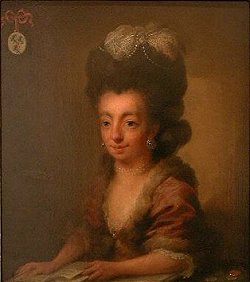
Portrait of Juliana Cornelia de Lannoy by Niels Rode. 18th century.
This gallery contains 6 photos.
The Tempest is one of my favourite William Shakespeare plays. I thought that it would be fun to share, in no particular order, some of the many artworks inspired by this classic.
Number Seven:
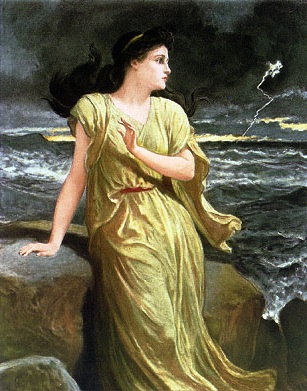
Miranda by Frederick Goodall, 1888
The Tempest is one of my favourite William Shakespeare plays. I thought that it would be fun to share, in no particular order, some of the many artworks inspired by this classic.
Number Six:
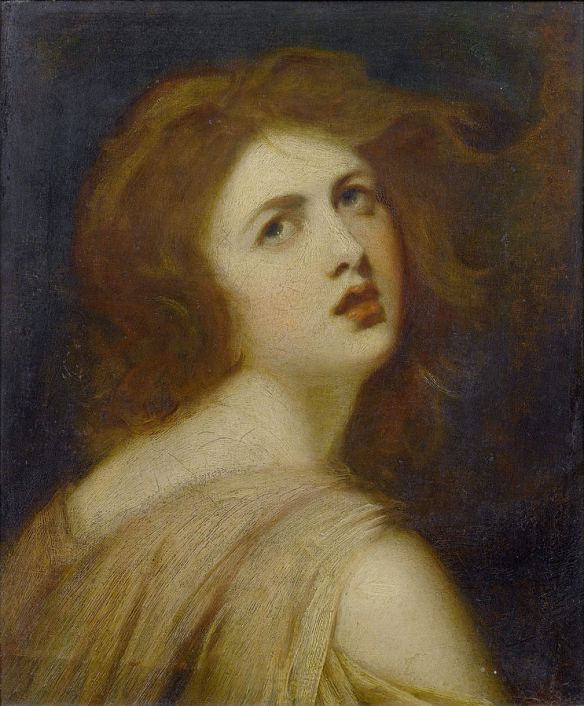
A Study of Emma, Lady Hamilton, as Miranda by George Romney
The Tempest is one of my favourite William Shakespeare plays. I thought that it would be fun to share, in no particular order, some of the many artworks inspired by this classic.
Number Five:
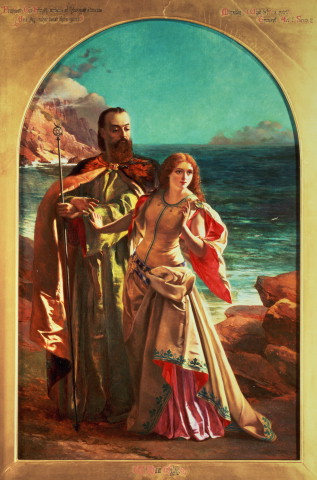
Prospero and Miranda by William Maw Egley, circa 1850
 A Small Press Life: Books. Art. Writing. Life. Tea.