Sylvia and Marty (courtesy of the Alumnae Association of Smith College)
A lovely article about Sylvia Plath and her friend Marcia Brown Stern.

Sylvia and Marty (courtesy of the Alumnae Association of Smith College)
A lovely article about Sylvia Plath and her friend Marcia Brown Stern.
“A line will take us hours maybe; Yet if it does not seem a moment’s thought, our stitching and unstitching has been naught.”-William Butler Yeats
[All images are in the Public Domain and are courtesy of Wikimedia Commons]
“There is another world, but it is in this one.”-William Butler Yeats

Clouds and myths and faerie stories?
Denise Levertov reading a selection of six poems.
I took the day off from writing…
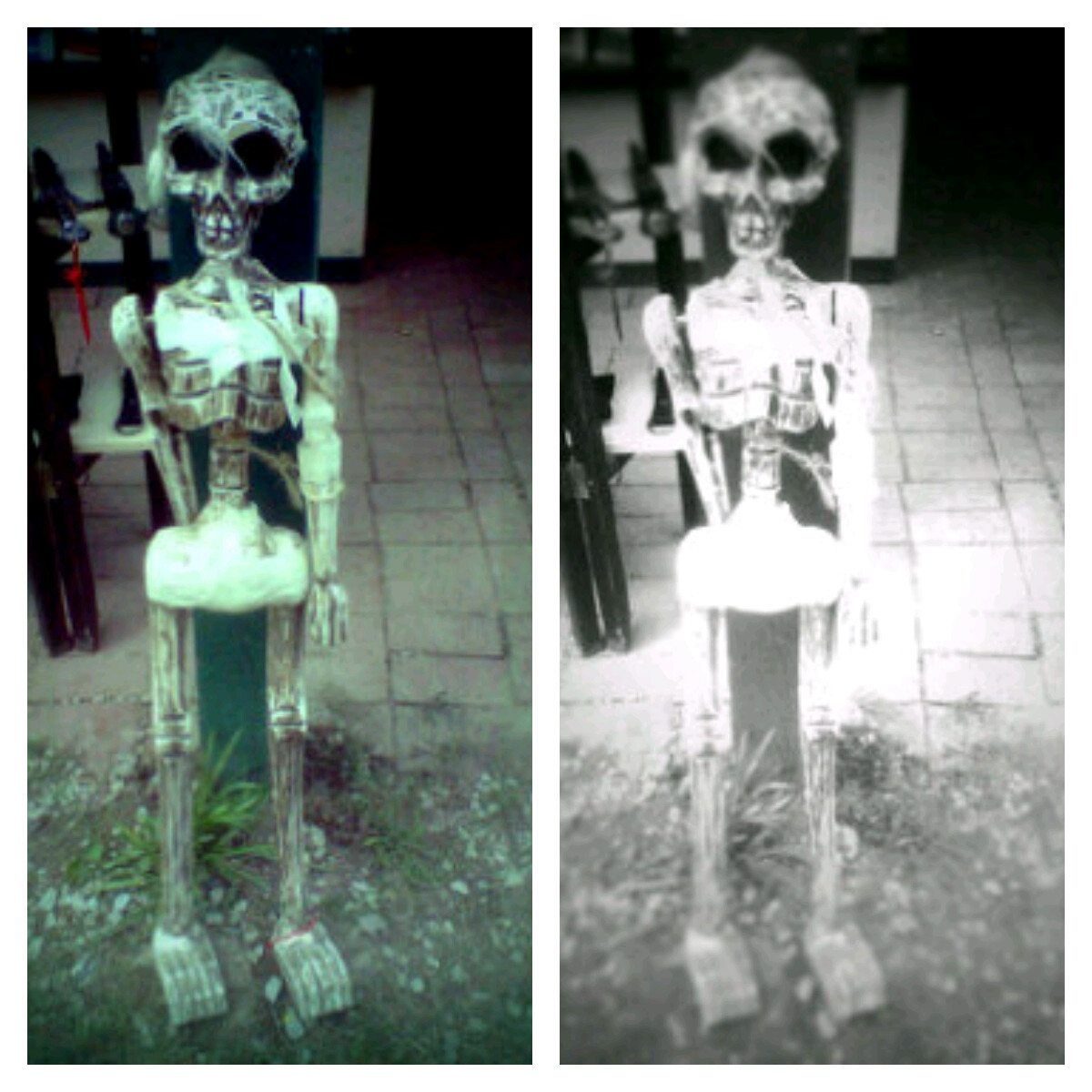
Dying is an art.
to play with skeletons and drink hard cider. See you tomorrow!
*”Dying is an art, like everything else. I do it exceptionally well. I do it so it feels like hell. I do it so it feels real. I guess you could say I’ve a call.”-Sylvia Plath
According to experts, the answer is yes. It’s only the second known image of the poet, and the first showing her as an adult. ‘Tis a big deal, no? Still No New Pynchon Photo, but Here’s Emily Dickinson-The New York Times
Emily Dickinson gets a new look in recovered photograph-The Guardian
When I cannot write, I look up. Craned neck, closed eyes. I swivel my creaking chair, and open them.

Meditative whir and whirl
Rendered in black-and-white, like rubbed-away ink on a faded page.
*“…beating time along the edge of thought.”-Sylvia Plath, The Unabridged Journals of Sylvia Plath
Although hundreds of trees spread across the distant horizon like ink blots, the park adjacent to my flat is the only true green spot in this industrial neighborhood.

Pretty flowers and plants near the old workhouse wall that dissects my neighborhood.
I’m partial to the rust and dust and accumulated dirt, the graffiti and old buildings that litter the CW. The flowers are bright and perky, but they’ll die in service to the coming season. I like the good bones of the stone and brick structures, even if the edges are crumbly. They last, even if they are a bit shabby.
*I will be the gladdest thing/Under the sun!/I will touch a hundred flowers/And not pick one”-Edna St. Vincent Millay, Afternoon on a Hill
 A Small Press Life: Books. Art. Writing. Life. Tea.