Results Are In: Pablo Neruda Was Not Poisoned [HUFF POST BOOKS]
However, his family is not convinced.
For more on this story, go here.

Results Are In: Pablo Neruda Was Not Poisoned [HUFF POST BOOKS]
However, his family is not convinced.
For more on this story, go here.
“Style is knowing who you are, what you want to say, and not giving a damn.”-Orson Welles
Sylvia Plath is best remembered for the sharp-edged precision of her poetry: word-vessels that are hard, clear, and passionate examples of literature’s trickiest form. Her style, although of minor importance to both literary historians and laypersons, remains fresh and appealing fifty years after her death. The timeless quality of Sylvia’s wardrobe is easy to emulate, and personalize.
Four Seasons, Five Photographs, Forever Stylish:
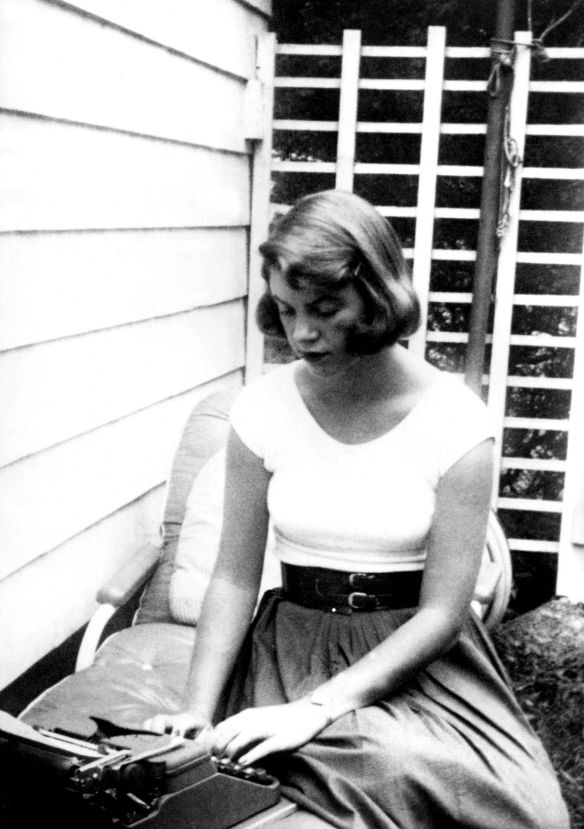
Sylvia Plath: Spring
A crisp white tee, corset belt, and floaty high-waisted skirt is the perfect outfit for the windy days of spring. She finishes it off simply with lipstick and a hairpin. Typewriter: optional. [This is my favourite photograph of a writer caught in the act of writing. I’ve always envied the imagined comforts of working in a garden setting. Sun-on-skin; light, earth-tainted breeze; a lounge chair to sink wearily into for moments of reflection; a glass of lemonade nearby–just out of frame; birds in trees. Sylvia kicks that fantasy up a few rungs by being so perfectly attired, and so full of creative concentration.]

Sylvia Plath: Summer
The architectural details at the top make this bathing suit a gem. Clean lines and a good fit can turn a basic, sporty garment into something unforgettably elegant. If I had one of these in every colour, I would live at the beach. Wouldn’t you? [It’s funny how certain summer days are inexpressibly golden, when words fall off of tongues unspoken and melt on the air like dissolving grains of sand. The whole of the world, for a split second, seems beautiful and warm. Contentment emerges, as fleeting as a skittering crab. Sylvia’s expression here is surely one of those moments captured and entombed by a photograph. Serenity is the best adornment.] Continue reading

George Bernard Shaw
“I deal with all periods; but I never study any period but the present, which I have not yet mastered and never shall; and as a dramatist I have no clue to any historical or other personage save that part of him which is also myself…The man who writes about himself and his own time is the only man who writes about all people and all time.”-Preface to The Sanity of Art (1907), George Bernard Shaw
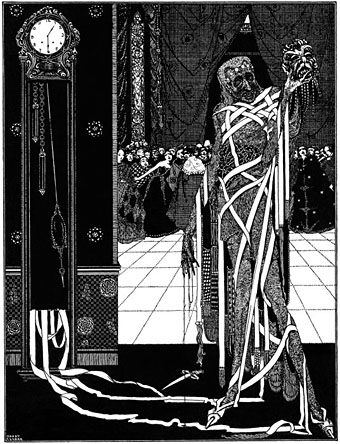
The Masque of the Red Death by Harry Clarke, 1919
“The “Red Death” had long devastated the country. No pestilence had ever been so fatal, or so hideous.”-The Masque of the Red Death, Edgar Allan Poe
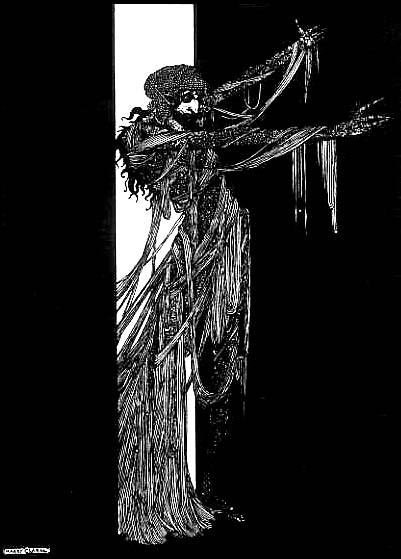
The Fall of the House of Usher by Harry Clarke, 1919
“While I gazed, this fissure rapidly widened-there came a fierce breath of the whirlwind-the entire orb of the satellite burst at once upon my sight-my brain reeled as I saw the mighty walls rushing asunder-there was a long tumultuous shouting sound like the voice of a thousand waters-and the deep and dank tarn at my feet closed sullenly and silently over the fragments of the “HOUSE of USHER.”-The Fall of the House of Usher, Edgar Allan Poe

The Pit and the Pendulum by Harry Clarke, 1919
“I was sick-sick unto death with that long agony; and when they at length unbound me, and I was permitted to sit, I felt that my senses were leaving me.”-The Pit and the Pendulum, Edgar Allan Poe
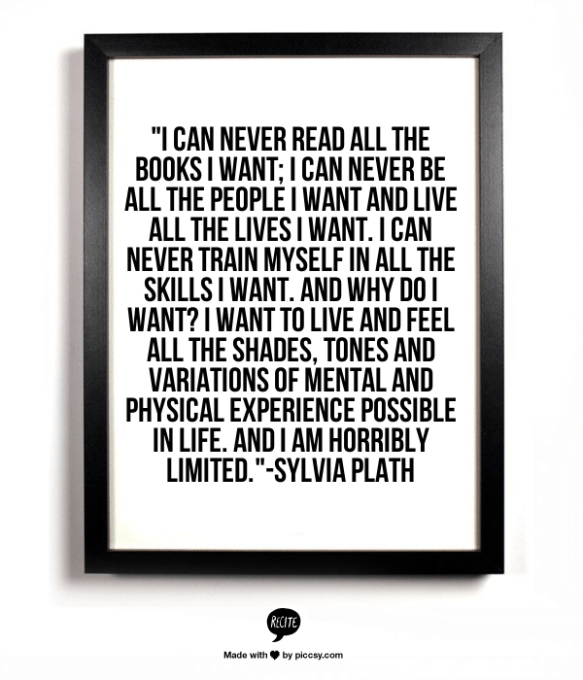
Sylvia Plath Quote

The Raven by Édouard Manet, 1875.
“And my soul from out that shadow that lies floating on the floor/Shall be lifted-nevermore!”-The Raven, Edgar Allan Poe
Sylvia Plath was born on 27 October 1932.

Sylvia Plath.
It is cold and blustery, today, but the sun shines with extra force. How appropriate.
“Eternity bores me, I never wanted it.”-Sylvia Plath, Ariel: The Restored Edition

The Premature Burial by Harry Clarke, 1919.
“THERE are certain themes of which the interest is all-absorbing, but which are too entirely horrible for the purposes of legitimate fiction.”-The Premature Burial, Edgar Allan Poe
 A Small Press Life: Books. Art. Writing. Life. Tea.