Ian Fleming on naming James Bond.

Ian Fleming on naming James Bond.
James M. Barrie, prolific Scottish playwright and the father of Peter Pan and Wendy, died on 19th June 1937. He was 77. Here he is, looking serious and melancholy.
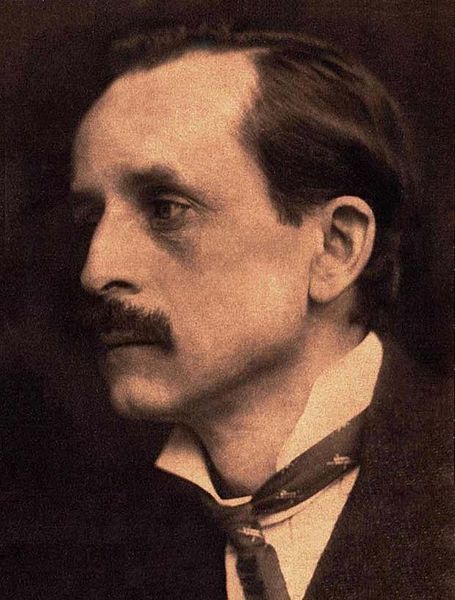
James M. Barrie, 1901
QUOTE: “The most useless are those who never change through the years.”
SOME WORKS: The Little Minister; Quality Street; The Admirable Crichton; Peter Pan; Alice Sit-by-the-Fire; What Every Woman Knows; A Kiss for Cinderella; The Old Lady Shows Her Medals.
A KEEPSAKE:
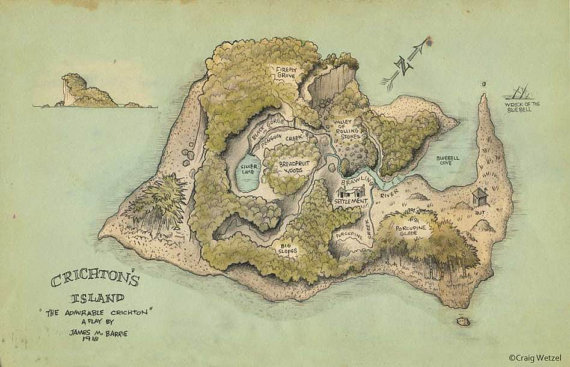
Crichton’s Island, Postcard Map of James M. Barrie’s The Admirable Crichton by Craig Wetzel. $3.00
Allen Ginsberg was born 87 years ago today. Here he is, looking all fresh-faced yet intense.

Allen Ginsberg
QUOTE: “Follow your inner moonlight; don’t hide the madness.”
SOME WORKS: Howl and Other Poems; Kaddish and Other Poems; Reality Sandwiches; The Yage Letters; Mind Breaths; Deliberate Prose
A KEEPSAKE:
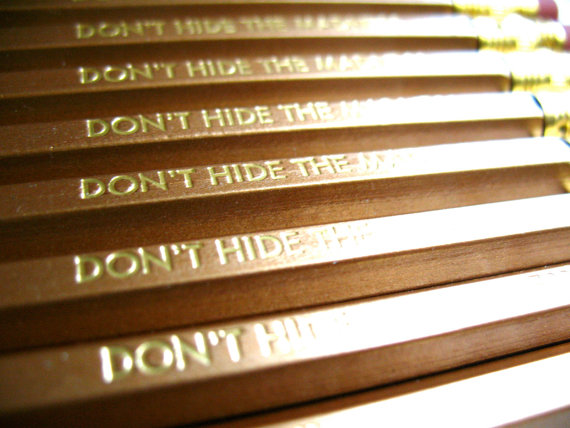
Allen Ginsberg Quote Pencils by the big harumph. $10.00
Anne Brontë, the forgotten sister, died on 28 May 1849. She was 29. Her novels are quite entertaining, so there is really no excuse for the shadowy, reclusive life of her fame.
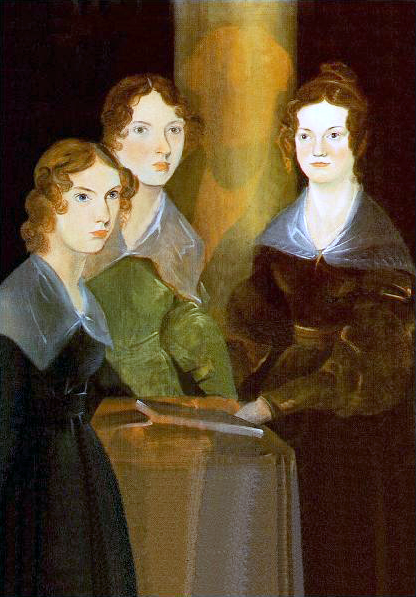
The Sisters Brontë by their brother Branwell Brontë. Anne is on the left.
QUOTE: “My heart is too thoroughly dried to be broken in a hurry, and I mean to live as long as I can.”-Anne Brontë, The Tenant of Wildfell Hall
WORKS: Agnes Grey; The Tenant of Wildfell Hall
A KEEPSAKE:
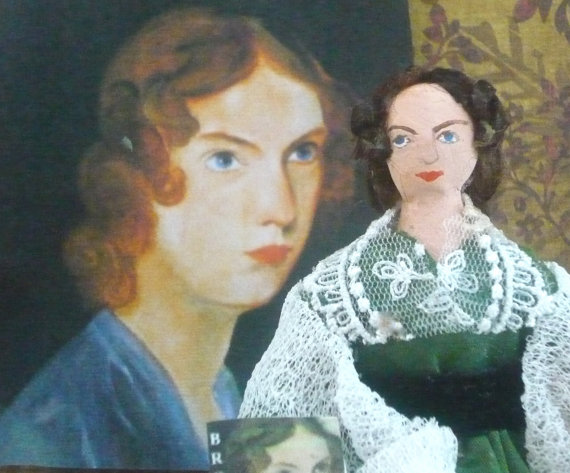
Anne Brontë Doll Miniature by Uneek Doll Designs. $41.00
*I was too busy yesterday to compose this post. At around 10:00 P.M. I thought of rushing it out, but then decided that publishing it a day late would be all too appropriate.
The well-groomed Samuel Pepys died on 26 May 1703. He was seventy.
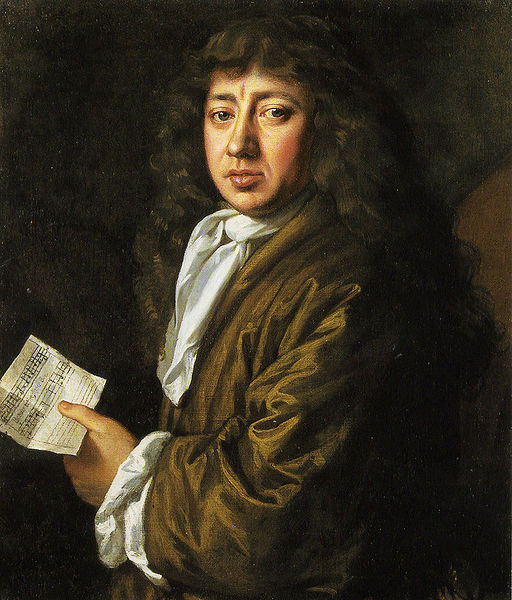
Samuel Pepys, 1666.
QUOTE: “But me thought is lessened my esteem of a king, that he should not be able to command the rain.”
KNOWN FOR: His incredibly diary.
A KEEPSAKE:
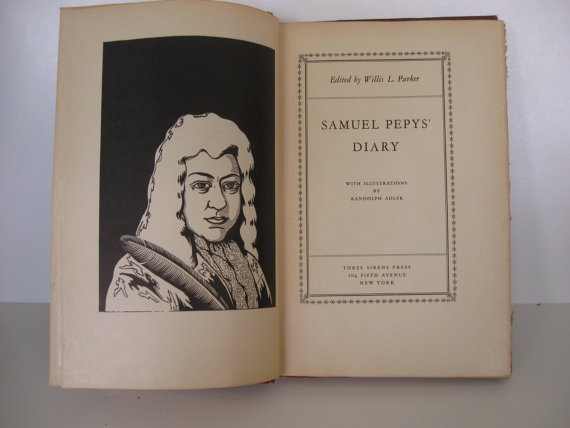
Samuel Pepys’ Diary at Lady Frans Library. $19.00
The Literary Figures With the Weirdest Obsessions [courtesy Flavorwire]
Who do you think takes the prize for weirdness?
Vita Sackville-West was born on 9 March 1892.

Birthday girl Vita Sackville-West in 1916.
QUOTE: “I worshipped dead men for their strength, forgetting I was strong.”
SOME WORKS: Sissinghurst; Solitude; The Edwardians; All Passion Spent; The Dark Island; No Signposts in the Sea.
A KEEPSAKE:

The Edwardians by Vita-Sackville West at Eager for Word. $12.34.
Part I-1919
It is autumn and a wan and anxious woman is staring out the parlor window of her rented flat. There are three drafty rooms, each with a fireplace and sated with a hodgepodge of meaningless stuff. The furniture came with the place, even the old iron bedspread with its lumpy mattress and slightly faded linen. Only the pillow sham in the middle of the bed stands out with its crisp mauve stripes and jauntily placed monogram, ‘KM’. It is easy to pick out with a quick scan of the eye those little personal things that belong to the current tenant. They stand out with a bohemian flair and all have been given pride of place by a chic and flawless hand. The framed photos, brightly coloured perfume bottles, and passel of worn-in books that are strewn about combat the inherently dingy look that the unimaginative landlady and another cold London season have brought to the surroundings.
Only upon the closest of inspections is it apparent that a man shares the space with the worn out woman. He is neat and keeps his possessions placed carefully behind wardrobe doors and in locked chests. His shaving brush sits out on the small table that is across from the bed; his slippers hide underneath its rumpled skirt. Some of the books are his and bear the name John Middleton Murry on the spines or inside covers.
It is her fourth bad day in a row, four days that she has not written a single word that is worth keeping. When an occasional ache passes over her eyes, she is beyond concentration. All she can do then is look out the window or at the picture on the wall opposite, beyond seeing. Katherine is draped in mauve; it is her favourite colour and it saturates small surfaces throughout the flat. She is stylish and thin, and as self-consciously proud of her angularity as she is of that challenging gleam in her eyes. It is that gleam, and the pride and surety of talent that lives behind it, that cowed Virginia Woolf at their last encounter. Remembering it brings a small smile to her lips.
It is raining with a soft persistence that acts as a counterpoint to the scratching background music on the gramophone that has been shoved into the corner. The window pane is becoming clouded, obscuring the few straggling passers-by on the street. They are sodden and rain-puckered but she is the one that shivers. The fire is pathetic, sputtering intermittently in its neglected state. The shadows it casts in the afternoon light are weak and hapless. Katherine starts to rise but, her body thinking better of it, she sinks back down into her seat.
John is nowhere to be seen. Perhaps he has gone to the grocer’s or the tailor’s. Now that they are safely married, it matters less than before. He could be off gallivanting with a whore, or one of those sweet, young barnacles that attach themselves to well-known men of letters. She simply needs him to revive the fire, although perhaps need is a strange word to use these days. Now she’ll be forced to wait until the landlady, Mrs. Crabtree, brings in tea. That is more than a quarter of an hour to sit and freeze.
Sickness has made the days seem longer than when she was young. Young, indeed! 31 is not so old, yet on all but her best days-which she swears have started creeping away in disgust-she feels shriveled, ancient, used-up. She laughs at her momentary absurdity but stops abruptly as it mingles with a cough. Everything seems twinned these days-hope with sorrow, fame with incapacitation, illness with creativity.
Katherine turns her head back to the window. She begins to trace a trajectory on the pane with a slender finger as drops beget droplets. Soon she offers up the other fingers of her right hand, and then those of the left as the multiplying drops scatter into radii. As she quits the game, outnumbered, she absentmindedly reaches for her shawl.
As an offering to the muses she picks up the pencil that has been left idle on the ledge, moving it restlessly between her fingers, temporarily warming them with the slight friction. She selects a sheet of unwrinkled paper from the middle of the pile that is resting on the arm of the chair. As she bows her head, her fringe of bangs strays into one eye.
*
The door is opened slowly, by a deliberate hand. It creaks as it swings on its hinges, scraping the wall in greeting. The footfall is heavy and steady as it advances into the parlor. The apron-clad figure of the landlady clutching a laden tea-tray appears at Katherine’s elbow. The latter’s head is cocked and she bites her lips so hard in concentration that they are faintly spotted crimson.
“Your tea, missus.” Katherine remains silent, unhearing. Mrs. Crabtree continues her low, companionable chatter as she puts the tray down on the footstool, empty because of Katherine’s curled up legs. “It’ll go cold again, ma’am, then Mr. Murry will come after me like he did last time and shout at me for being remiss in my duty.” “It comes with the rent, you know.” She rubs her hands on her dampish apron, wiping away the dribbles of tea that sloshed out of the pot during her walk from the kitchen.
She plods to the fireplace and stokes it back to life. “I don’t know how you get on sitting in a cold parlor like this for the good Lord knows how long, refusing to take your tea. You’ll waste away. And for what? Those stories of yours? What good will they do you if you kill yourself in the writing of them?”
*This first appeared in the September 2005 edition of The Atomic Tomorrow and was featured in Sticky Kitchen: A Literary Journal in 2007. I have retained the copyright.
 A Small Press Life: Books. Art. Writing. Life. Tea.